

From Corfu to Croatia: Adriatic border-crossing checklist
Corfu can be more than a Greek island break. Its ferry links and proximity to Albania make it a practical starting point for an Adriatic journey through Albania, Montenegro and Croatia. Before you book each segment, treat the route as a sequence of different legal entry areas, not as one uninterrupted coastal holiday. Your nationality, transport choice and planned border crossings will determine the paperwork you need.
An Ionian-to-Adriatic route crosses more than one border regime
Greece and Croatia are both part of the Schengen area. Travel between them may involve fewer routine internal-border formalities than travel to non-Schengen neighbours, although police checks can still occur. Albania and Montenegro are not Schengen states, so entering or leaving either country can involve passport inspection, questions about your stay, vehicle documentation and customs rules.
A traveller leaving Corfu for Sarandë enters Albania, even though the crossing is short and seasonal ferry schedules can make it feel like an island excursion. Your passport requirements, visa status and permitted length of stay in Albania are separate from the conditions that applied when you entered Greece. The same distinction applies when travelling north from Albania into Montenegro, then from Montenegro into Croatia.
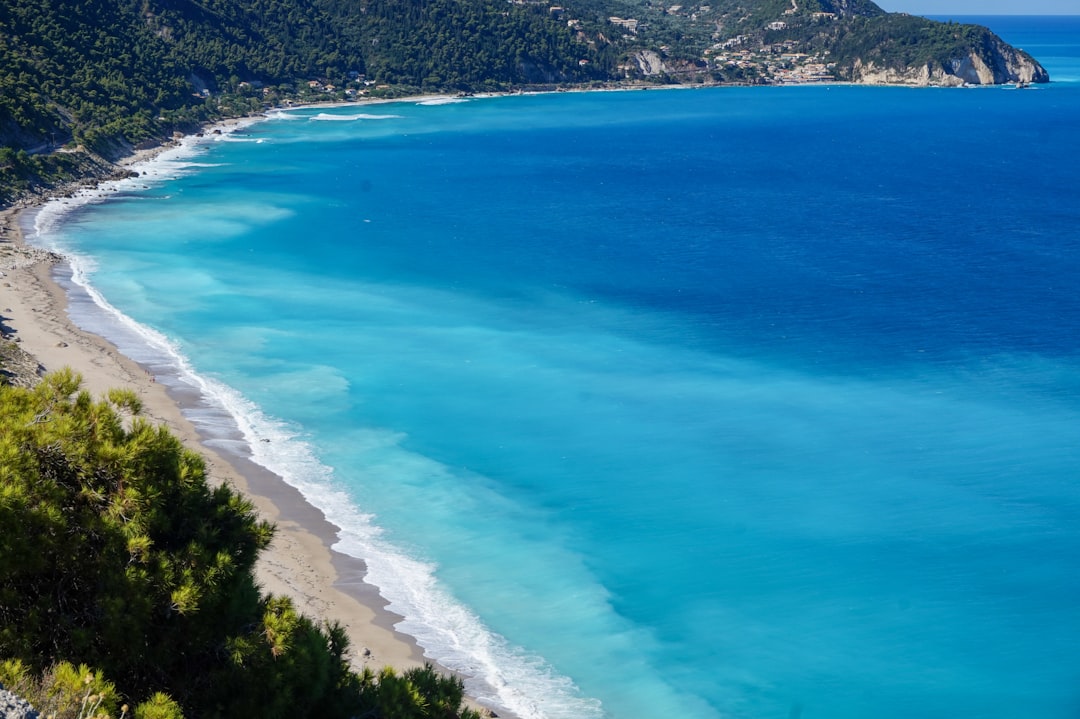
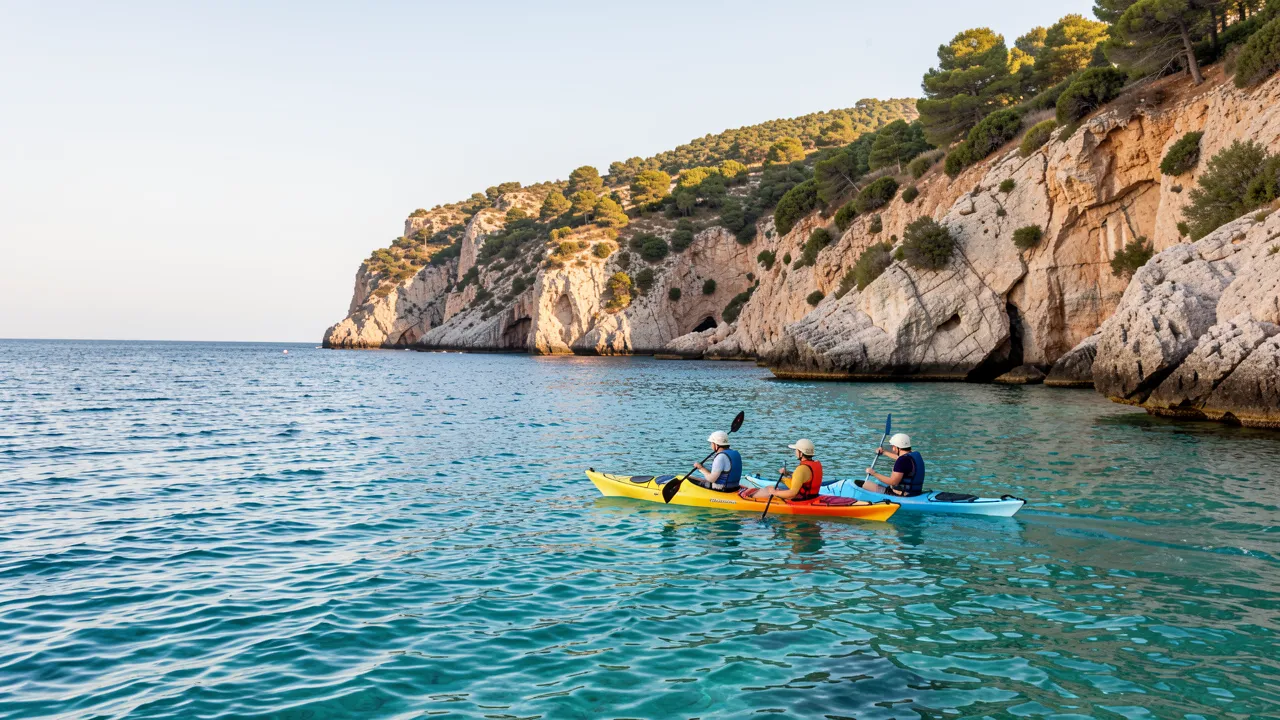
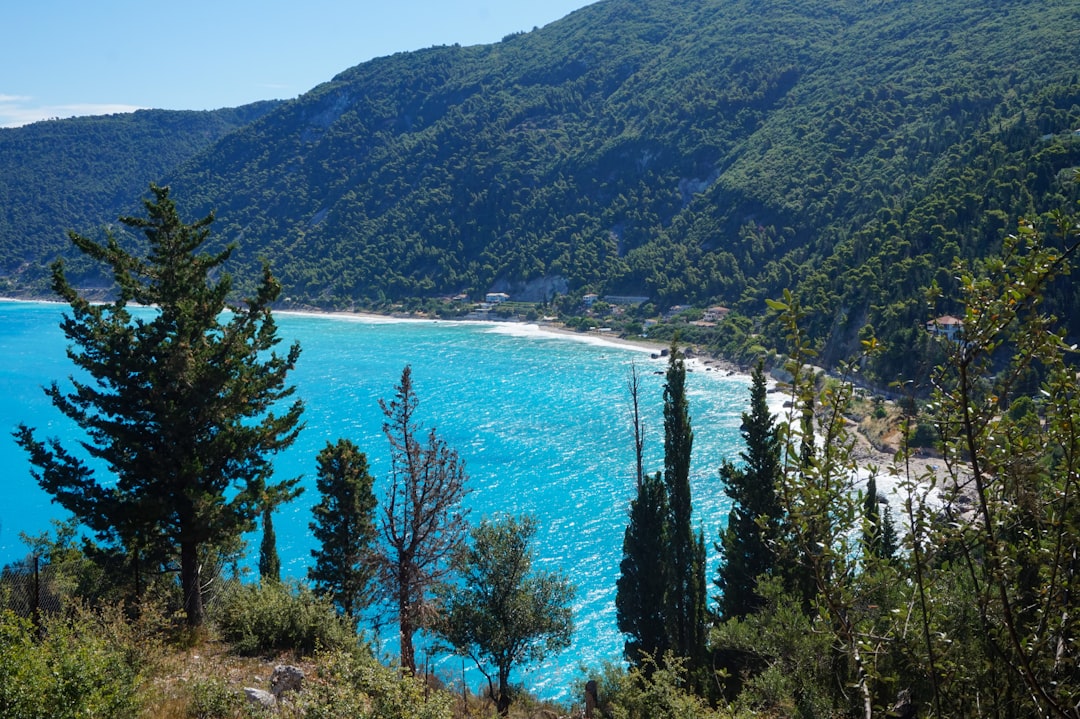
For travellers comparing Croatian shores with neighbouring Adriatic destinations, A useful resource can support coastal planning around Croatia’s islands, historic towns and seaside regions. Croatia’s Adriatic coast includes ferry-connected islands, Dalmatian ports and road routes that may shape your onward travel choices. Use destination guidance alongside official border information, rather than treating travel inspiration as entry advice.
Your documents need checking before you travel through Albania, Montenegro and Croatia
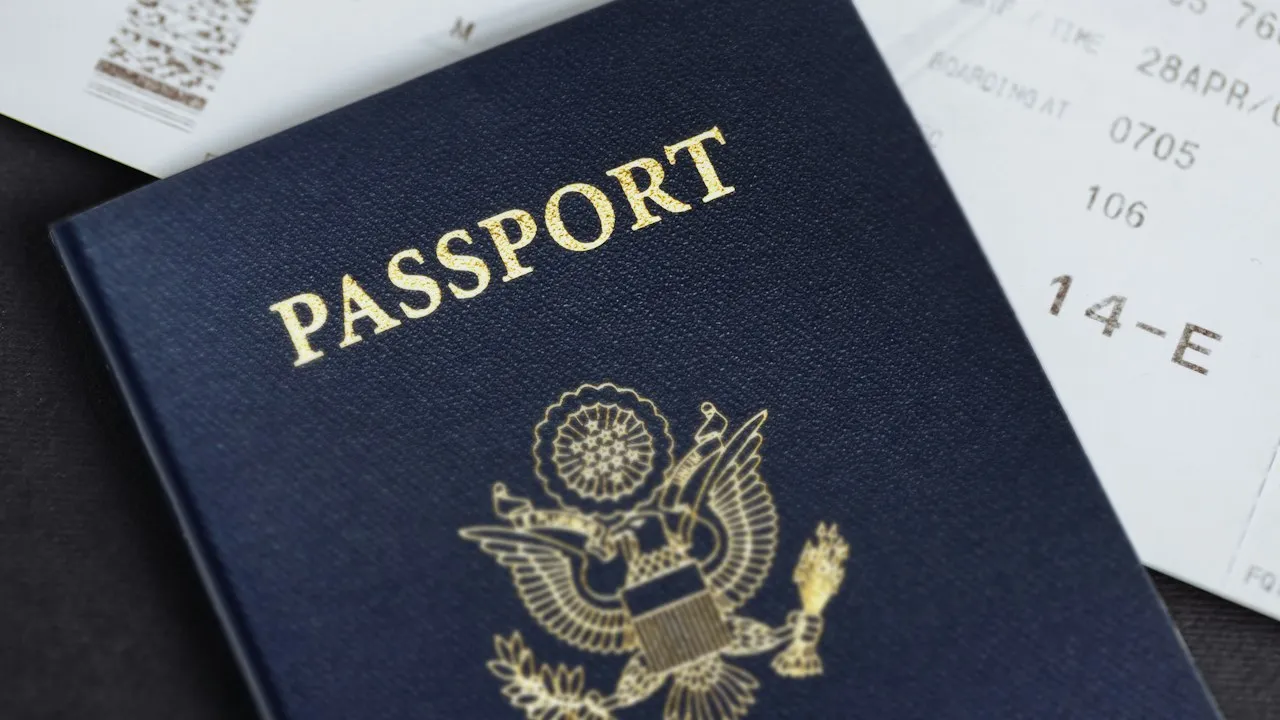
Start with the country that will stamp or record your first entry. A passport valid for Greece does not automatically mean you meet every condition for Albania, Montenegro or Croatia. Requirements can differ according to nationality, passport type, residence status, purpose of visit and length of stay.
Check the following items before committing to flights, ferries or non-refundable accommodation:
-
Passport validity and available pages: Many countries expect a passport to remain valid beyond the planned departure date, while some apply a specific minimum remaining-validity period. Check the published rules for every country on your route, not only your first destination. If you hold a residence permit issued by an EU or Schengen country, verify whether it changes visa requirements, and carry the original document.
-
Visa rules and stay limits: Visa-free access for Greece or Croatia does not necessarily create identical access to Albania or Montenegro. Review each country’s embassy, border police or foreign ministry guidance for your nationality. Keep a simple record of entry and exit dates, especially if you are combining several non-Schengen stops with time in the Schengen area.
-
Accommodation and onward-travel evidence: Border officials may ask where you will stay, how long you intend to remain and how you will leave the country. Save ferry bookings, hotel confirmations and a flexible onward ticket in an offline format. A phone battery failure at a border point is an avoidable complication.
-
Health and travel insurance: Your European Health Insurance Card, if you have one, is not a substitute for comprehensive travel insurance and may not apply outside the EU in the same way. Confirm medical cover, repatriation cover, cancellation protection and any exclusions for driving, boating or adventure activities. Keep the insurer’s emergency number accessible without mobile data.
-
EES and ETIAS status: The EU’s Entry/Exit System, known as EES, and the European Travel Information and Authorisation System, known as ETIAS, concern certain non-EU travellers entering the Schengen area. Their operational arrangements, eligible travellers and implementation dates can change. Check official EU and national border sources shortly before departure, rather than relying on old travel posts or booking-site summaries.
Ferries, hired cars and insurance need their own cross-border checks
A route from Corfu to Albania can begin on foot as a ferry passenger, then become a road trip. Each change of transport can create a new requirement. Ferry operators set their own check-in deadlines, passenger-name rules and document checks, while rental companies may limit which borders their vehicles can cross.
If you travel as a foot passenger from Corfu to Sarandë, compare departure ports, seasonal frequency, baggage rules and the operator’s required identification. Arrive early, because international ferry boarding includes document checks. Weather can also affect Ionian sailings, so leave room between ferry arrival and a fixed bus, flight or accommodation booking.
For a rental car, get written permission before you collect the vehicle. Ask whether Albania, Montenegro and Croatia are permitted, whether a cross-border fee applies, and whether the company provides a letter of authorisation. Some firms exclude particular countries, limit travel on unpaved roads or require advance notice for every border you intend to cross.
Insurance deserves equally close attention. Carry the registration document, rental agreement and proof of motor insurance. Ask whether the policy remains valid in each country, whether a Green Card or other certificate is required, and what excess applies after an accident. Roadside assistance may have geographical limits, even when insurance cover appears valid.
A careful checklist keeps your Adriatic crossing flexible
A multi-country Adriatic trip rewards preparation because routes can change with weather, ferry capacity, road conditions or personal preference. Build a document folder for both paper and offline digital copies, then revisit official rules a few days before each border crossing.
- Confirm passport validity, visa conditions and permitted stay for Greece, Albania, Montenegro and Croatia.
- Check current EES and ETIAS guidance through official sources if you are a non-EU traveller entering Schengen.
- Match your ferry booking name exactly to your travel document and respect check-in deadlines.
- Obtain written cross-border permission for any rental vehicle.
- Verify motor, medical and travel insurance coverage for every country and activity.
- Keep accommodation, onward-travel evidence, emergency contacts and document copies available offline.
With these checks completed, you can use Corfu as a well-connected gateway while giving each border the attention it requires.