







Planning a first sea-kayaking adventure in the Ionian Islands
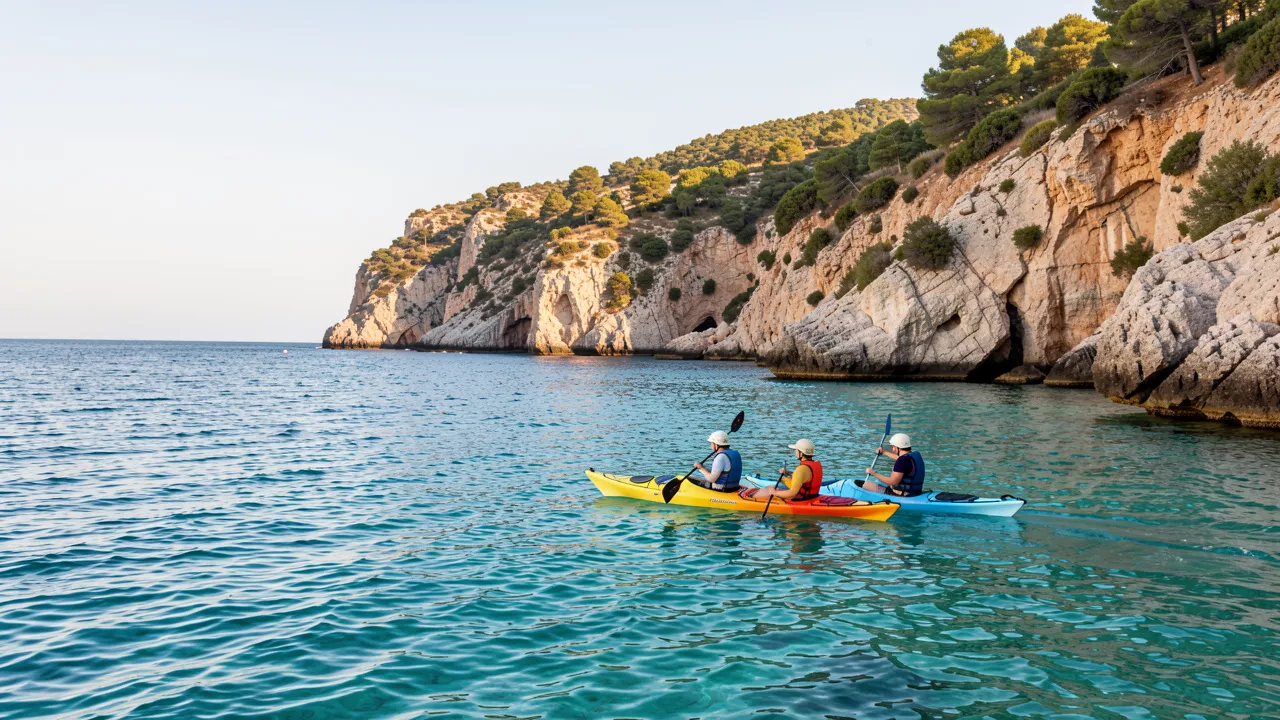
The Ionian Islands offer a forgiving introduction to sea kayaking, provided you treat the trip as a small expedition rather than a beach activity. Clear water, limestone headlands and sheltered coves around Corfu, Lefkada, Kefalonia and Zakynthos create rewarding day routes, yet open crossings, afternoon winds and busy boat traffic still demand sound judgement. Whether you book a guide or paddle independently, careful preparation will help you travel with confidence and leave the coastline undisturbed.
Choose a route that matches your actual paddling experience
For a first sea-kayaking adventure, favour a protected coastal route with frequent landing options, limited exposure to open water and a realistic turnaround point. A route of 8 to 15 kilometres is often enough for beginners, especially when swimming breaks, lunch stops and changing conditions are included. Plan for a slower pace than on a lake: headwinds, side swell and navigating around headlands all take energy.
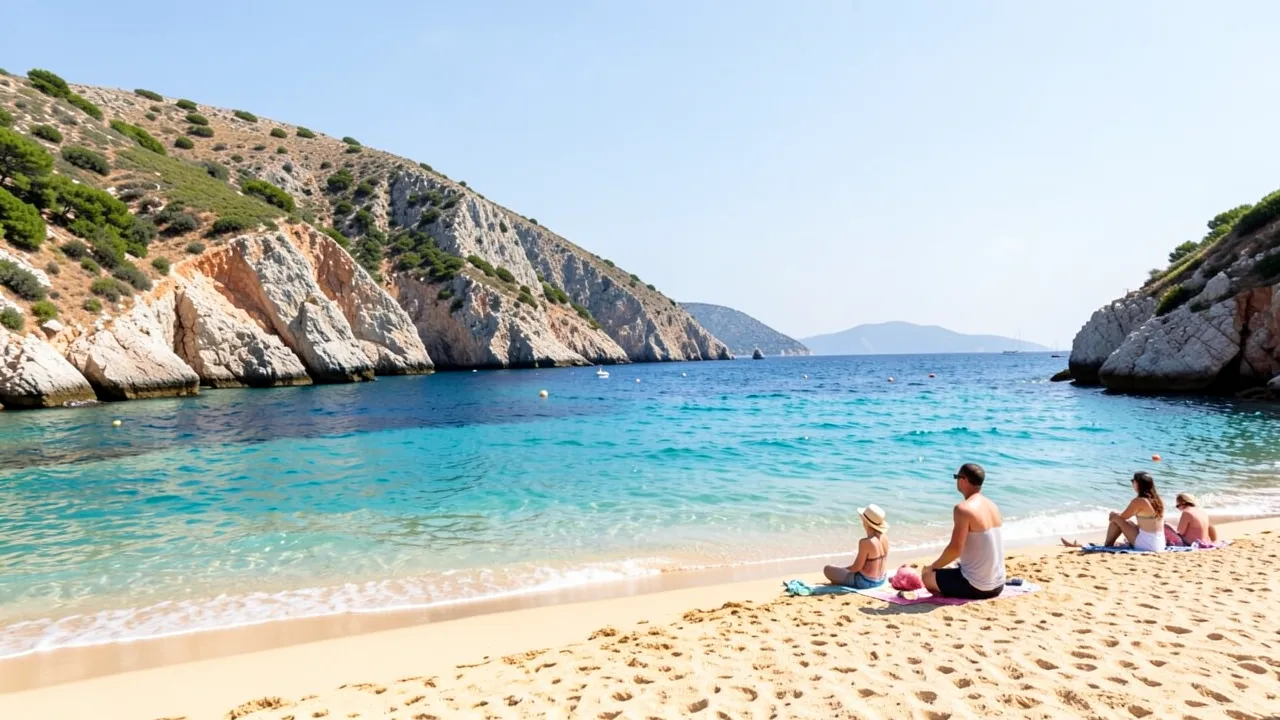
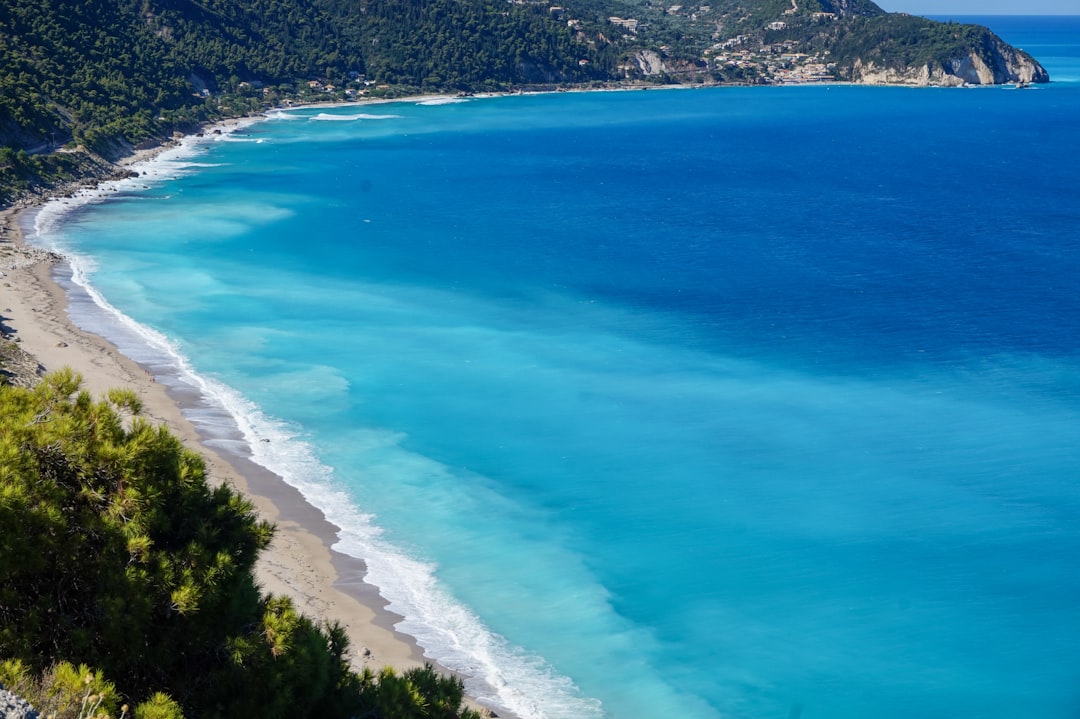
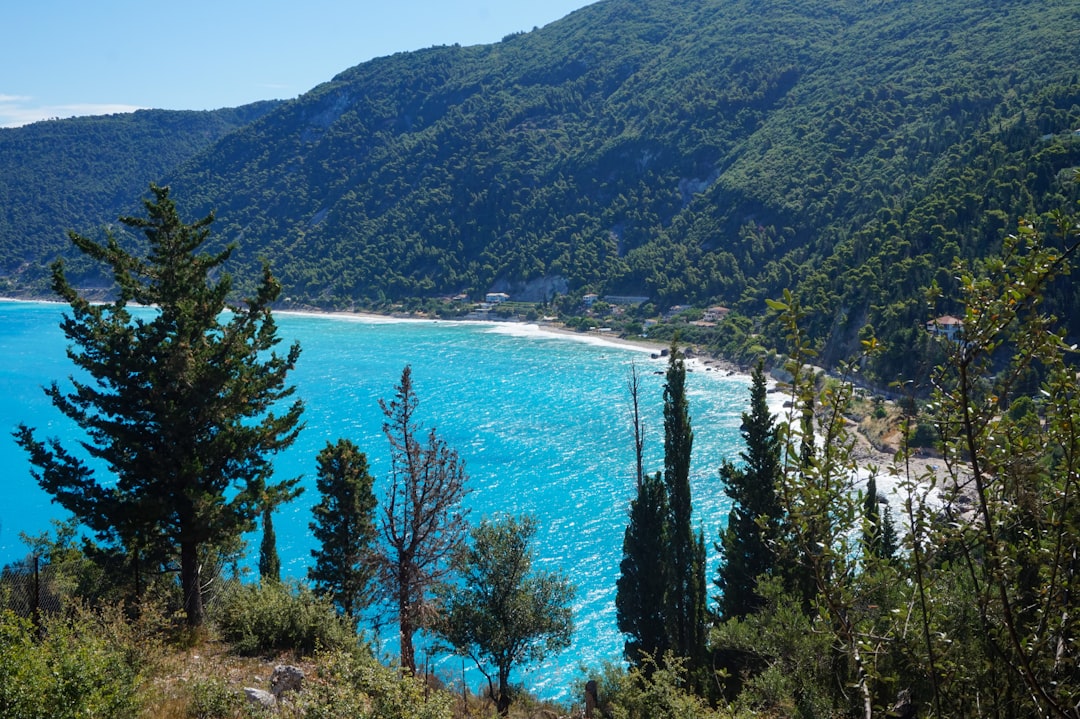
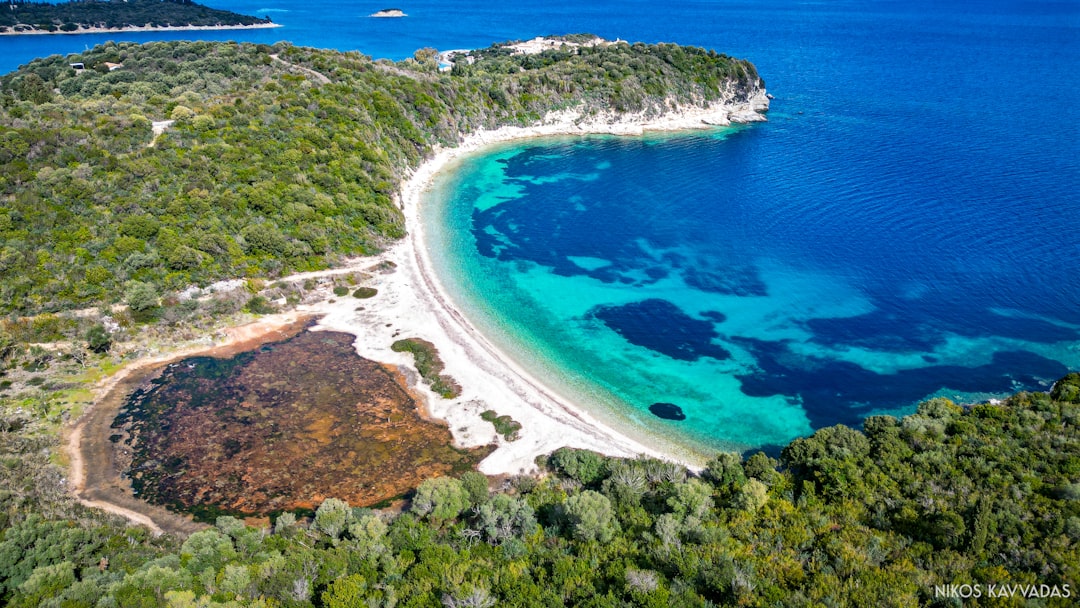
Corfu coastal kayaking can suit newcomers along calmer eastern stretches, where bays and small beaches offer regular shelter. Around Lefkada, the east coast near Nidri has comparatively protected water and views towards nearby islets. More experienced paddlers may consider Kefalonia’s dramatic coast or a Zakynthos kayak trip around sea caves, but these outings require greater awareness of wind, boat wakes and escape routes.
For broader inspiration on expedition planning, nature escapes and international travel preparation, lesfrereslatullaye.fr is a useful reference for travellers building active journeys. Adventure travel works best when logistics support the experience, from choosing an appropriate destination to preparing equipment and daily objectives. Use wider trip-planning resources alongside local forecasts and operator advice, particularly when your itinerary includes remote beaches or coastal crossings.
Avoid designing a route around famous landmarks alone. A celebrated cave may be only six kilometres away, but reaching it could involve an exposed headland with no safe landing area. Mark alternative beaches on an offline map, decide where you will turn back, and share the planned route with someone ashore.
“The best adventure is not the longest route, but the one you can finish safely with enough energy to enjoy the way back.”
Check weather, sea state and local conditions before launching
Ionian summers are generally calm in the morning, but weather patterns can change quickly. A light breeze at launch may build into a demanding headwind by afternoon, especially along exposed western coasts. Wind direction matters as much as wind strength: an offshore wind can push a kayak away from land, while onshore wind can create breaking waves at beaches and rocky coves.
Check several sources before departure, including a marine forecast, local wind forecast and observations from the shoreline. Look for thunderstorms, wind increases, swell direction and any discrepancy between forecasts. If the water is already choppy near the launch point, conditions farther from shore may be worse.
Your sea kayaking safety kit should include a properly fitted buoyancy aid, paddle leash, bilge pump, whistle, tow line and a means of communication protected in a waterproof case. Carry enough drinking water, high-energy food, sun protection and a basic first-aid kit. A VHF radio or personal locator device adds reassurance on longer or more isolated routes, although it does not replace sensible route choices.
Guided trips can reduce uncertainty for first-time paddlers
A guided excursion is a strong option if you have paddled only on rivers or lakes. Local guides understand launch sites, seasonal winds, boat routes and places where landing is prohibited or unsafe. They can also teach practical skills such as bracing, assisted rescue techniques and safe movement around cliffs.
Independent paddlers should have previous experience with self-rescue in open water. Practise re-entering your kayak after a capsize before travelling, ideally while wearing the clothing and buoyancy aid you will use on the trip. Do not rely on warm water as a safety measure: fatigue, wind and distance from shore can turn a minor incident into a serious problem.
Pack for comfort, self-reliance and changing conditions
A well-packed sea kayak remains stable, dry and easy to manage. Store heavier items low and close to the cockpit, distributing weight between front and rear compartments. Pack electronics, spare layers and food in separate dry bags, so one leak does not affect every essential item.
Wear clothing suited to immersion rather than the air temperature alone. In high summer, lightweight synthetic layers and a rash vest may be sufficient for short coastal outings. During spring, autumn or windy conditions, use thermal layers and consider a wetsuit or paddling jacket. Footwear should protect your feet on sharp rocks and hot pebble beaches.
Navigation also deserves attention. Download offline coastal maps, carry a waterproof paper chart where practical, and learn to identify major headlands before departure. GPS is useful, but battery power, glare and poor reception can limit its value. A simple route plan is safer than an ambitious itinerary.
Respect coastal habitats while exploring coves and beaches
The Ionian coastline contains marine grass beds, nesting areas, cliff habitats and sheltered beaches used by wildlife and local communities. Responsible adventure travel means making your route flexible when nature or access restrictions require it. Keep a generous distance from sea caves occupied by birds, and never paddle close to seals or attempt to follow them.
Land only on established beaches or durable rocky areas where access is permitted. Avoid dragging kayaks over seagrass, dunes or vegetation, and do not leave equipment in narrow coves that block public access. Bring all waste back with you, including fruit peels, food packaging and cigarette ends.
Motorboats are common around popular islands, particularly near Zakynthos and Corfu. Stay visible, cross channels efficiently, avoid lingering in ferry routes and assume that a skipper may not see a low-profile kayak. Bright clothing, a visible flag and a whistle improve your presence on the water.
Before launching, remember these practical priorities:
- Choose protected water and a route with several landing options.
- Start early, before afternoon winds and boat traffic increase.
- Carry essential rescue and communication equipment in waterproof storage.
- Tell someone your planned route, launch time and expected return.
- Turn back early when wind, fatigue or swell exceeds your comfort level.
- Leave beaches, caves and wildlife areas exactly as you found them.
Plan an Ionian sea-kayaking trip that stays enjoyable and low-impact
A first paddle in the Ionian Islands can combine physical challenge with calm, close-up encounters with coastal scenery. The most satisfying trips are rarely those that cover the most distance. They are the ones built around conservative weather decisions, appropriate equipment, realistic skills and respect for the places you visit.
By choosing sheltered routes, preparing for a change in conditions and paddling with a low-impact mindset, you can make your Ionian sea-kayaking adventure both memorable and responsible.