

From Ionian island hopping to a restorative autumn getaway
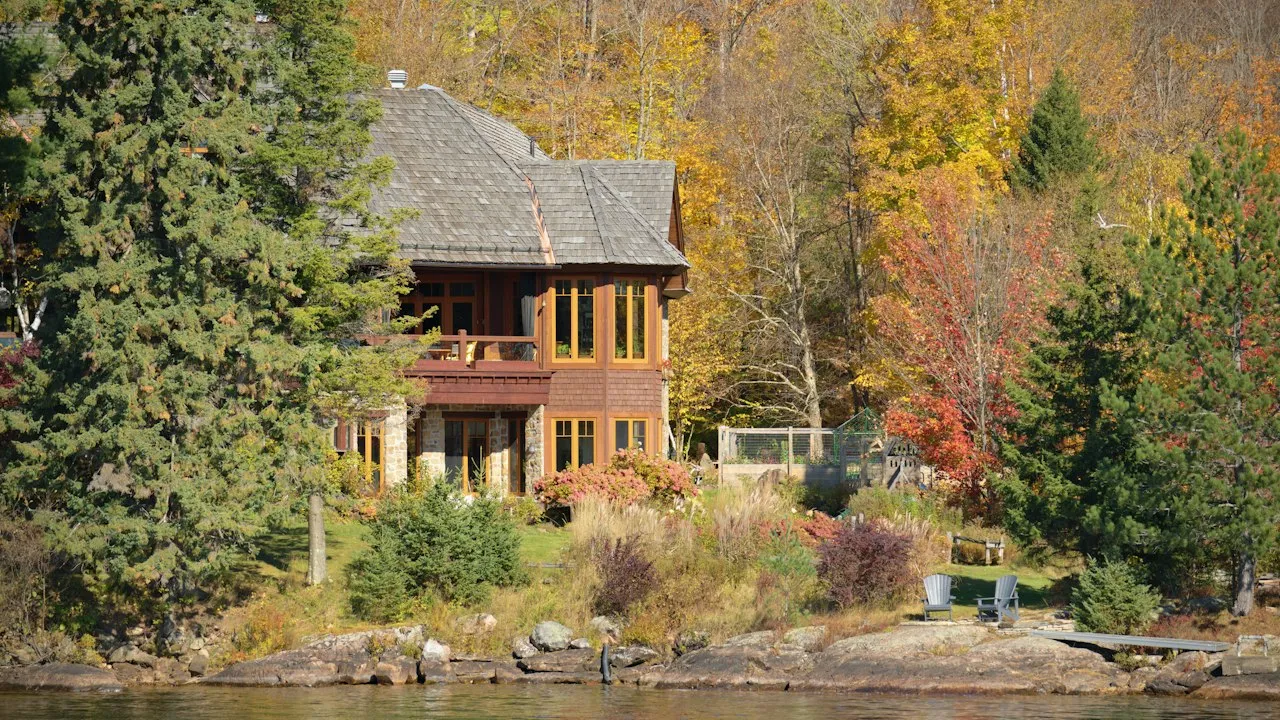
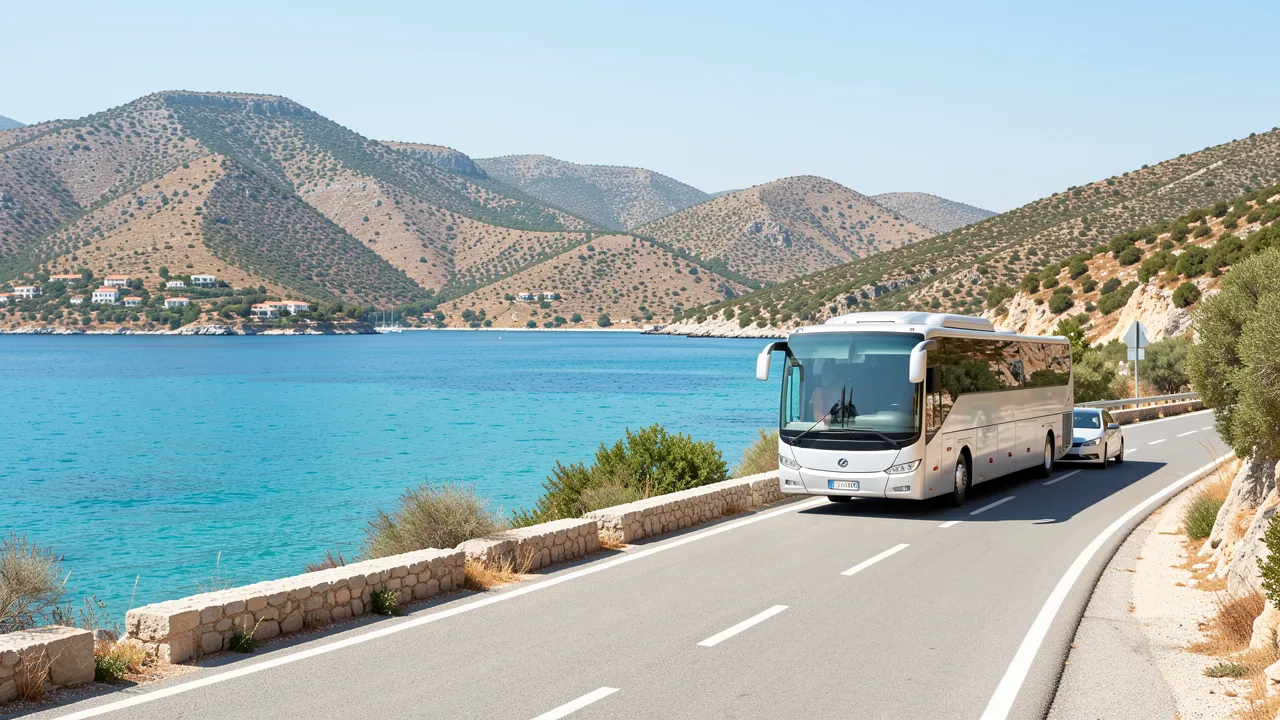
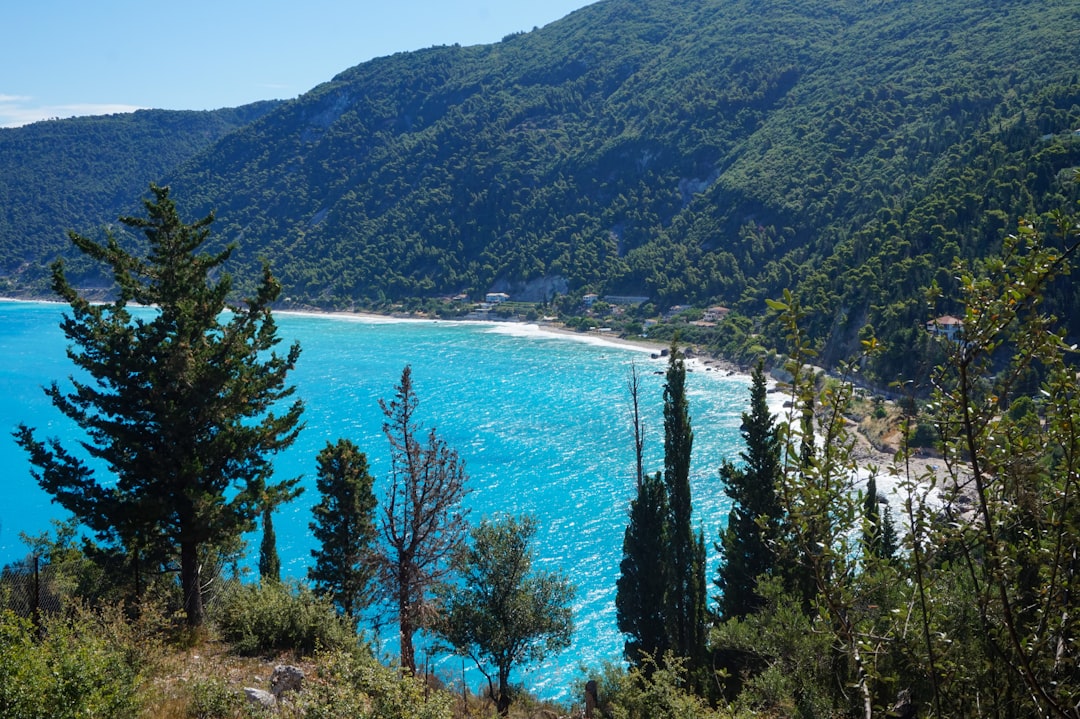
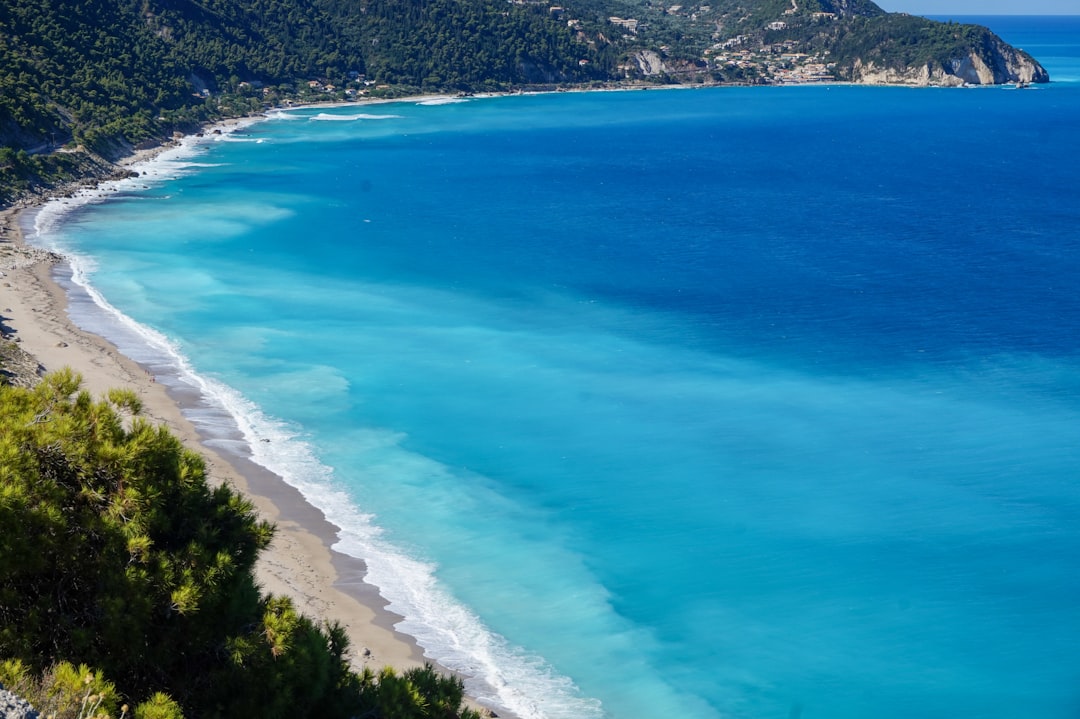
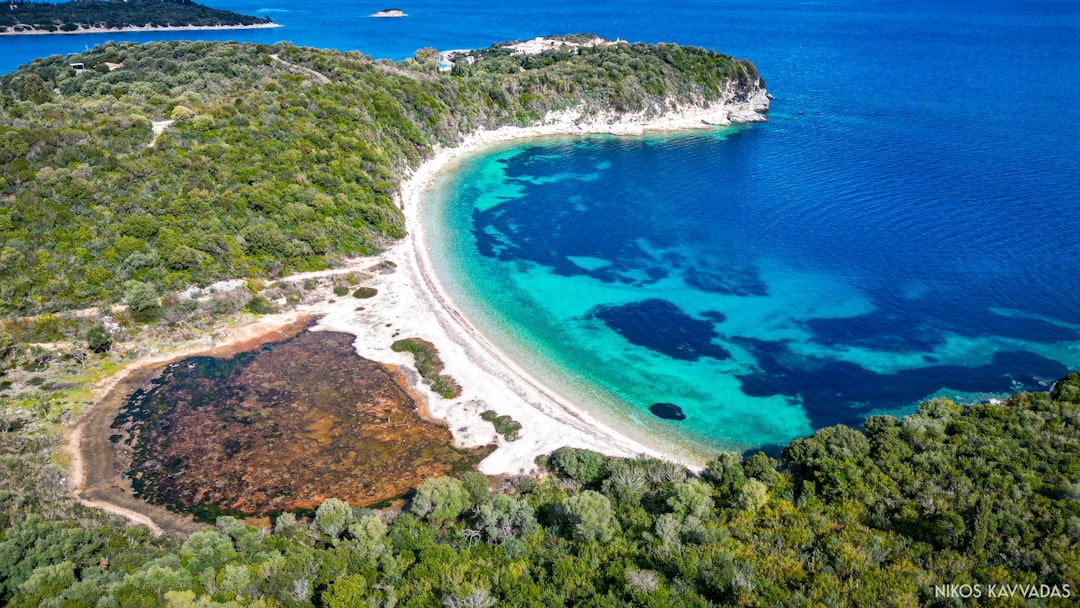
An Ionian island itinerary often rewards energy: ferry connections, coastal drives, swims in hidden coves and long evenings in harbourside tavernas. After that pleasing intensity, an autumn escape with fewer transfers and a gentler rhythm can extend the restorative side of travel. By choosing a comfortable European base, leaving space between activities and preparing for cooler conditions, you can turn a short break into genuine recovery rather than another demanding schedule.
A slower autumn break can balance an active island holiday
Island hopping encourages discovery, but it can also create a packed timetable. Ferry departures set the day’s pace, luggage must be managed repeatedly, and each new island brings another set of decisions. A restorative autumn trip offers a useful contrast: one primary destination, a limited number of reservations and permission to spend time without a specific objective.
The shoulder season is particularly suited to this approach. In many European regions, October and November bring quieter streets, more available tables at local restaurants and a less hurried atmosphere in museums, thermal centres and walking routes. You may still encounter rain or cooler temperatures, yet these conditions can support slower pleasures: reading in a café, taking a sauna, visiting a gallery or returning early to a warm room.
“The most memorable journeys leave room for rest, not only for movement.”
Rather than trying to replicate a summer holiday, shape your autumn getaway around comfort, calm and a realistic pace. A historic town, a lakeside village, a wine region or a small city with access to nature can all work well. The right setting is one that makes a quiet day feel worthwhile.
Your accommodation should support rest as well as exploration
Accommodation becomes more than a place to sleep when your goal is restoration. Look for a location that reduces friction: easy arrival by rail or car, walkable access to food and culture, and a room you will be happy to return to before nightfall. In autumn, practical details such as heating, sound insulation, comfortable bedding, reliable Wi-Fi and an inviting breakfast service can have a noticeable effect on the quality of your stay.
For a relaxed stop in central France, a city hotel in Nevers can provide a practical base between onward journeys and local exploration. You can assess room options, services and access information through https://www.garden-hotel-nevers.fr/, particularly when planning a short stay near the historic centre and transport links. A well-situated hotel allows you to explore riverside paths, local restaurants and heritage streets without relying on a full daily driving schedule. Returning to the same room each evening also creates the reassuring routine that many travellers seek after a more mobile holiday.
Choose the right type of base for your energy level
A countryside retreat may sound ideal, but it is not automatically the most restful choice. If you arrive by train, a remote property can require expensive taxis or careful coordination. Conversely, a compact town hotel can make meals, walks and cultural visits effortless. Consider what will feel restorative to you, rather than what looks most secluded in photographs.
When comparing properties, ask a few direct questions:
- Is the room warm enough for the season, with adjustable heating?
- Can you eat nearby on evenings when you do not want to travel?
- Are spa facilities, walking paths or quiet public spaces genuinely accessible?
- Does the location make arrival and departure straightforward?
- Is there flexibility if weather changes your plans?
A property with a small wellness area can be appealing, but ease and consistency often matter more than elaborate facilities. A peaceful room, a good shower, generous breakfast hours and a short walk to dinner may be exactly what you need.
Cooler-weather preparation makes travel more enjoyable
Autumn travel in Europe benefits from thoughtful packing and modest expectations. Temperatures can change quickly between morning and evening, particularly in mountain areas, near water and across northern regions. Pack layers rather than one bulky item: a warm mid-layer, waterproof outer shell, comfortable shoes with grip and a compact umbrella will cover many situations.
Check opening times before booking museum visits, boat trips, vineyards or seasonal attractions. Some places reduce their schedules after summer, while others become more attractive precisely because their autumn programmes begin. Thermal baths, food markets, forest walks and local cultural events can offer satisfying alternatives if rain disrupts outdoor plans.
Documents deserve attention too. Verify passport validity, entry requirements, driving documents and travel insurance well before departure. If you are travelling through several countries, keep digital and paper copies of reservations, emergency contacts and transport tickets. For road travel, review local rules on winter tyres, safety equipment and low-emission zones, especially if your route crosses borders.
Give your itinerary enough recovery time
A restorative trip should not begin with an exhausting journey and end with a rushed return. If possible, arrive early enough to settle in before dinner, rather than planning sightseeing immediately. On the final day, leave a buffer before your train or flight so that one delay does not undo the calm you have built.
One useful method is the “one anchor per day” rule. Choose only one fixed activity, such as a thermal bath appointment, guided walk, museum visit or lunch reservation. Leave the rest of the day open for spontaneous choices and unplanned rest.
A restorative European autumn getaway stays with you longer
The transition from Ionian island hopping to an autumn retreat does not mean giving up discovery. It means choosing a different travel rhythm, one that gives you time to absorb a place and return home with energy still intact. By selecting a calming base, preparing for variable weather and resisting the urge to fill every hour, you create a trip that feels generous rather than rushed.
Key points to carry into your planning include:
- Use shoulder season for quieter destinations and more flexible days.
- Choose accommodation for warmth, location, sleep quality and simple access.
- Plan one meaningful activity per day, then protect unstructured time.
- Pack adaptable layers and check reduced seasonal opening hours.
- Verify travel documents, insurance and transport conditions before departure.